
tinted glass suppliers
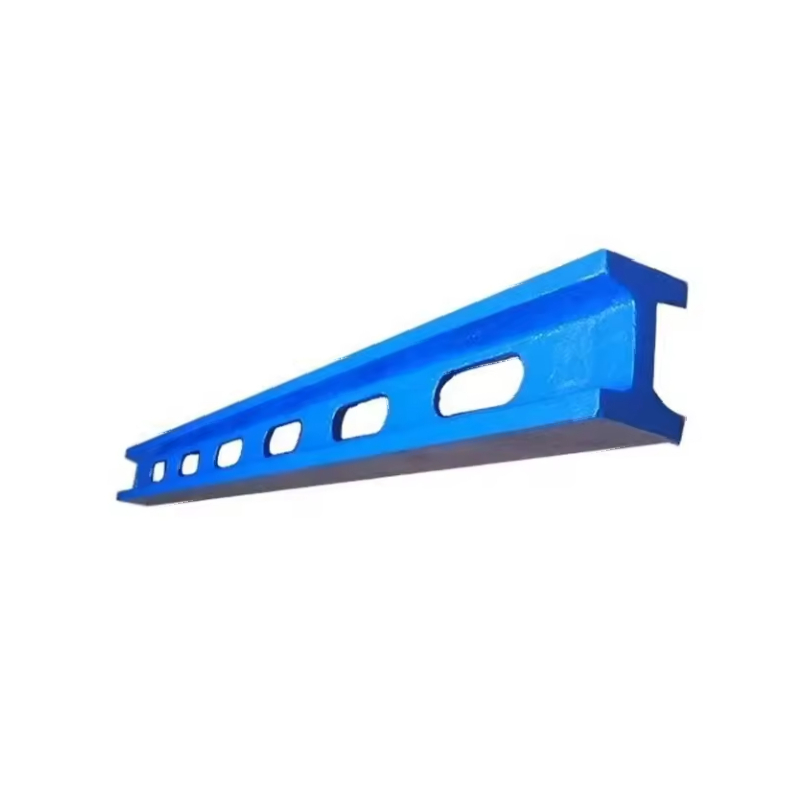
The Importance of Magnetic V Blocks Understanding Size, Functionality, and Applications Magnetic V blocks are essential tools in the machining and metalworking industries, primarily used for securing workpieces during inspection, grinding, and machining processes. The size of these magnetic V blocks plays a critical role in their effectiveness and versatility. This article will explore the significance of magnetic V block sizes, their functionality, and varied applications across different industries. What are Magnetic V Blocks? Magnetic V blocks are precision-engineered tools made from durable materials with strong magnetic capabilities. They feature a V-shaped groove, allowing for the secure positioning of cylindrical objects, such as rods and shafts. The unique design ensures that the workpiece remains stable during various procedures, enhancing accuracy and safety. Importance of Size The size of a magnetic V block can significantly impact its usability and effectiveness. Here are several factors to consider 1. Workpiece Dimensions The primary consideration when selecting a magnetic V block is the size of the workpiece. Smaller blocks are suitable for holding smaller items, while larger blocks provide enhanced support for bigger workpieces. An appropriate size not only increases holding power but also optimizes stability. 2. Workspace Constraints The physical workspace available can also dictate the size of the V block chosen. In a limited workspace, a compact magnetic V block will be essential to ensure that operations can be conducted without obstruction. Conversely, larger V blocks may be necessary in more expansive setups where different types of workpieces are handled. 3. Weight Capacity Different sizes of magnetic V blocks come with varying weight capacities. It's crucial to select a block that can support the specific workpiece to be machined or inspected. Using an inadequate size may lead to accidents or damage to both the workpiece and the machinery. Functionality A properly sized magnetic V block enhances productivity through its unique features magnetic v block size 1. Strong Magnetic Hold The magnets embedded within the V blocks offer a robust grip, ensuring that the workpiece stays in place. This strength is particularly important during high-speed machining processes, where any movement can lead to inaccuracies. 2. Ease of Adjustment Magnetic V blocks are designed for easy manipulation. Technicians can quickly adjust the position of the workpiece by releasing and reengaging the magnetic hold, improving efficiency when setting up for different operations. 3. Versatility Available in various sizes, magnetic V blocks can cater to a wide range of workpieces and operations. From flat surfaces to intricate shapes, these tools provide flexibility in securing items for a diverse array of machining tasks. Applications Across Industries Magnetic V blocks find applications in several industries, including 1. Manufacturing In production lines, these blocks are crucial for maintaining the precision of components during machining. They help in holding workpieces steady, enhancing the overall efficiency of the manufacturing process. 2. Metalworking Metalworkers utilize magnetic V blocks to inspect and grind components. Their ability to hold various shapes securely makes them invaluable in ensuring that critical tolerances and surface finishes are achieved. 3. Automotive and Aerospace Industries that require high levels of accuracy, such as automotive and aerospace, frequently rely on magnetic V blocks for engine component machining and inspections. The stability provided by these blocks ensures safety and compliance with stringent industry standards. 4. Education and Training In technical education and training programs, magnetic V blocks are often used to teach students about machining processes. Their ease of use and effectiveness make them excellent tools for hands-on learning. Conclusion Understanding the importance of size in magnetic V blocks is critical for anyone involved in machining and metalworking. Their role in providing stability and precision cannot be overstated, as they enhance productivity and ensure safety within various industrial applications. By selecting the appropriate size, technicians can optimize their workflow, ensuring superior results in their projects. As manufacturing processes continue to evolve, the significance of tools like magnetic V blocks remains a cornerstone of operational success.
about
tinted glass suppliers
Understanding the Runout Tester A Key Tool in Precision Engineering In the world of precision engineering, the importance of accurate measurements cannot be overstated. Among various tools employed to ensure precision, the runout tester stands out as an essential device for evaluating the performance of rotating machinery and components. This article delves into the fundamentals of the runout tester, its applications, and its significance in maintaining high standards of engineering. What is a Runout Tester? A runout tester, also known as a dial indicator or runout gauge, is a precision measuring instrument used to determine the deviation of a rotating part from its true geometric center. This deviation, known as runout, can lead to significant issues in machinery performance, including vibrations, noise, and premature wear of components. The runout tester works by measuring the radial displacement of a rotating object—like a shaft or a wheel—at various points along its circumference. How Does It Work? The operation of a runout tester is relatively straightforward . The device typically consists of a dial indicator mounted on a stable base, which is brought into contact with the part being measured. As the part rotates, variations in its surface alignment cause the dial indicator needle to move. By recording the maximum and minimum measurements indicated during a full rotation, an engineer can calculate the total runout, which is the difference between these two measurements. Types of Runout There are two primary types of runout that are commonly measured Total Runout and Circular Runout. Total runout assesses the cumulative deviation of a part’s entire surface as it rotates, ensuring that the part can be reliably positioned within its manufacturing tolerances. Circular runout, on the other hand, focuses on a specific point along the diameter, allowing for a more localized evaluation of a part’s rotational accuracy. runout tester Applications in Engineering Runout testers are utilized in various engineering fields, including automotive, aerospace, and manufacturing. In the automotive industry, for example, they are critical in aligning brake rotors and ensuring that wheels are dynamically balanced. In aerospace, precise measurements are crucial for ensuring that turbine blades and other rotating components operate within stringent tolerances to avoid catastrophic failures. Additionally, machine shops frequently use runout testers during the machining process to verify the accuracy of parts before they are installed. This proactive measure helps in minimizing the likelihood of costly reworks and downtime, thus enhancing productivity and efficiency. The Importance of Runout Testing The significance of runout testing extends beyond mere compliance with specifications. It is vital for enhancing the overall performance and longevity of mechanical components. By ensuring that components are correctly manufactured and positioned, runout testers help to mitigate vibration-related issues that can lead to mechanical failure. Consequently, the regular use of a runout tester contributes to lower maintenance costs, reduced operational downtime, and improved safety in engineering systems. Conclusion In summary, the runout tester is an indispensable tool in the realm of precision engineering. Its ability to accurately measure the alignment and balance of rotating components plays a significant role in ensuring operational efficiency and safety across various industries. As technology advances, the integration of digital runout testers and advanced analytics is likely to increase the accuracy and reliability of these measurements, further solidifying their importance in modern engineering practices. Whether in a machine shop or on the production floor, the runout tester remains a fundamental device for quality assurance and performance optimization.
-

High quality industrial productsagement

High quality industrial products
View Details -

Meet the diverse needs of customers

Meet the diverse needs of customers
View Details -

Strict quality control

Strict quality control
View Details -

Top raw materials

Top raw materials
View Details -

Trusted supplier

Trusted supplier
View Details
Our application

news and information

Wood construction connectors products for strong and durable building structures with reliable suppo
Wood construction connectors play a crucial role in ensuring the stability and safety of wooden stru

Wrought iron finials
The Timeless Elegance of Wrought Iron Caps An Architectural Delight Wrought iron caps, an integral
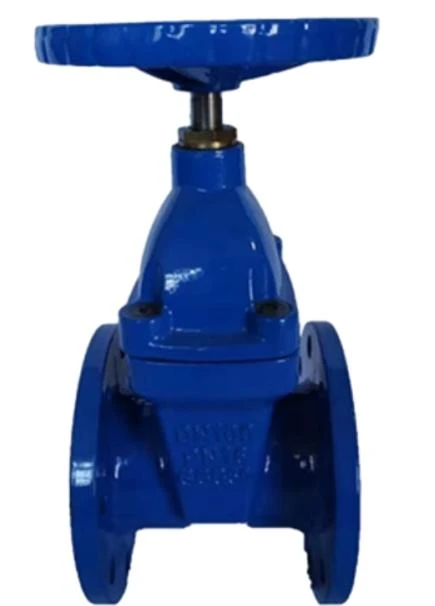
Van cầu 2 1 2
Đồng hồ van cầu 2 1 2 là một trong những thiết bị quan trọng trong hệ thống ống dẫn chất lỏng, đặc b
 English